Space Constraints
Maintaining hygiene is easier when sanitization solutions don't require additional storage, drying, or dedicated cleaning space.
Key Challenges
-
Limited counter, storage, and back-room space for cleaning processes
-
Bulky supplies and consumables taking up valuable operational space
-
Difficulty isolating or drying items after cleaning
-
Shared items accumulating faster than staff can process them

Why It Matters
Many child-focused environments already operate within limited space. Classrooms, waiting rooms, play areas, therapy spaces, and library children's zones are designed primarily for people—not for large-scale or complex cleaning operations.
Traditional sanitization processes can consume valuable space with cleaning supplies, drying areas, chemical storage, and items waiting to be sanitized. As space becomes constrained, cleaning workflows can become inconsistent, disruptive, and more difficult to maintain throughout the day.
How ToySafe Helps
-
Reduces the need for large dedicated cleaning and drying areas
-
Minimizes storage requirements for wipes, sprays, and cleaning supplies
-
Supports sanitization within compact or multi-purpose environments
-
Delivers a fast enclosed 5-minute sanitization cycle with minimal setup space required
The ToyVault’s compact enclosed system helps simplify sanitization without requiring large, dedicated cleaning areas, drying racks, or extensive storage for chemicals and consumables.
A fast 5-minute cycle allows shared items to be sanitized efficiently within the existing flow of the environment, without creating additional space demands.
The Result
A more streamlined sanitization process that fits more naturally into busy environments with limited space, fewer operational bottlenecks, and less disruption to day-to-day activities.
Protecting Play—Simply. Safely. Consistently.


What This Looks Like in Practice
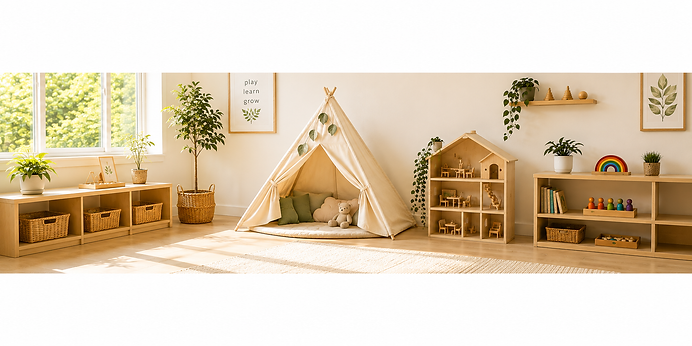
Maria runs a Montessori school where carefully designed learning materials, sensory tools, practical life activities, and shared classroom items are used continuously throughout the day.
The environment is intentionally calm, organized, and thoughtfully arranged to support independent learning—but space is carefully balanced between educational materials, student movement, and classroom functionality. There’s little room for bulky cleaning setups, overflowing supplies, or large separate areas for sanitization processes.
As children move between activities, used shared items need to be separated and cleaned before recirculating. Finding space to clean, dry, organize, and store those materials—while maintaining the calm and structured environment central to Montessori learning—can become increasingly challenging.
The Shift
With ToySafe, Maria integrates sanitization more naturally into the classroom workflow. Shared materials waiting to be sanitized, can be placed directly into the ToyVault, can be sanitized in a simple enclosed 5-minute cycle, after which they can go directly back into circulation.
The Results
-
Reduced need for dedicated cleaning and drying space
-
Less clutter from wipes, sprays, and sanitization supplies
-
A more streamlined workflow within a limited physical environment
-
Greater confidence that shared items can be sanitized consistently without disrupting the space itself
Industry Validation
Province of British Columbia ChildCare Design Guidelines specifically require childcare centres to have utility closets that are lockable, well-ventilated, and have a floor drain, as well as the separating the secure storage of detergents and chemicals from food in kitchens.
Child Care Now states “the physical environment significantly influences child development, staff well-being, and program effectiveness”, noting that studies show that children in high density centres have been found to be more susceptible to behavioural problems, including hostile-aggressive, anxious-fearful, and hyperactive-distractible behaviours. The report also notes that space is needed for “dirty and clean items”, that kitchens can be spaces for children to “learn about nutrition" or “help prepare meals”, and “storage is a fundamental component of quality child care design, impacting both classroom organization and the well-being of educators and children.”
The risks of trying to undertake sanitization in close proximity to other childcare activities was clearly illustrated when a daycare worker mistakenly filled a pitcher from a container intended for sanitization, and served a diluted bleach solution to children as a drink.